
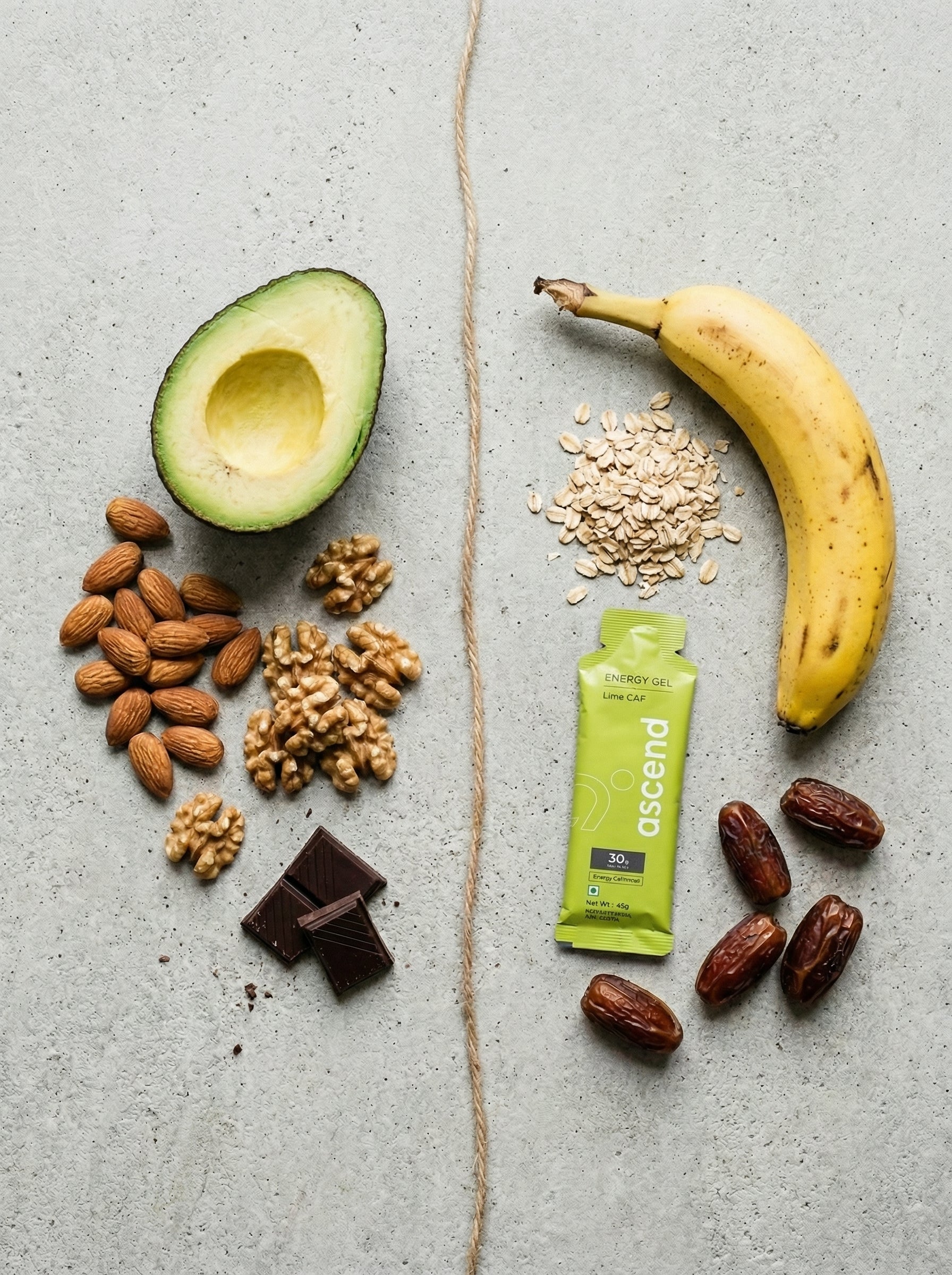
Your body runs on two fuels — fat and carbs — but not in equal measure. Here's how each one works, when your body switches between them and why that matters on race day.

Your legs are trained. Your mind is ready. But is your gut? Here's why neglecting gut training is one of the most common — and costly — mistakes endurance runners make.

Your body can only store enough carbs for 2–3 hours of running. The marathon takes longer than that. Here's why energy gels aren't optional — and how many you actually need.

Those white marks on your skin and kit after a run aren't dirt. They're salt — and they're telling you something important about your hydration.

Think of your body as an electrical grid. Electrolytes are what keep the current flowing — here's how.
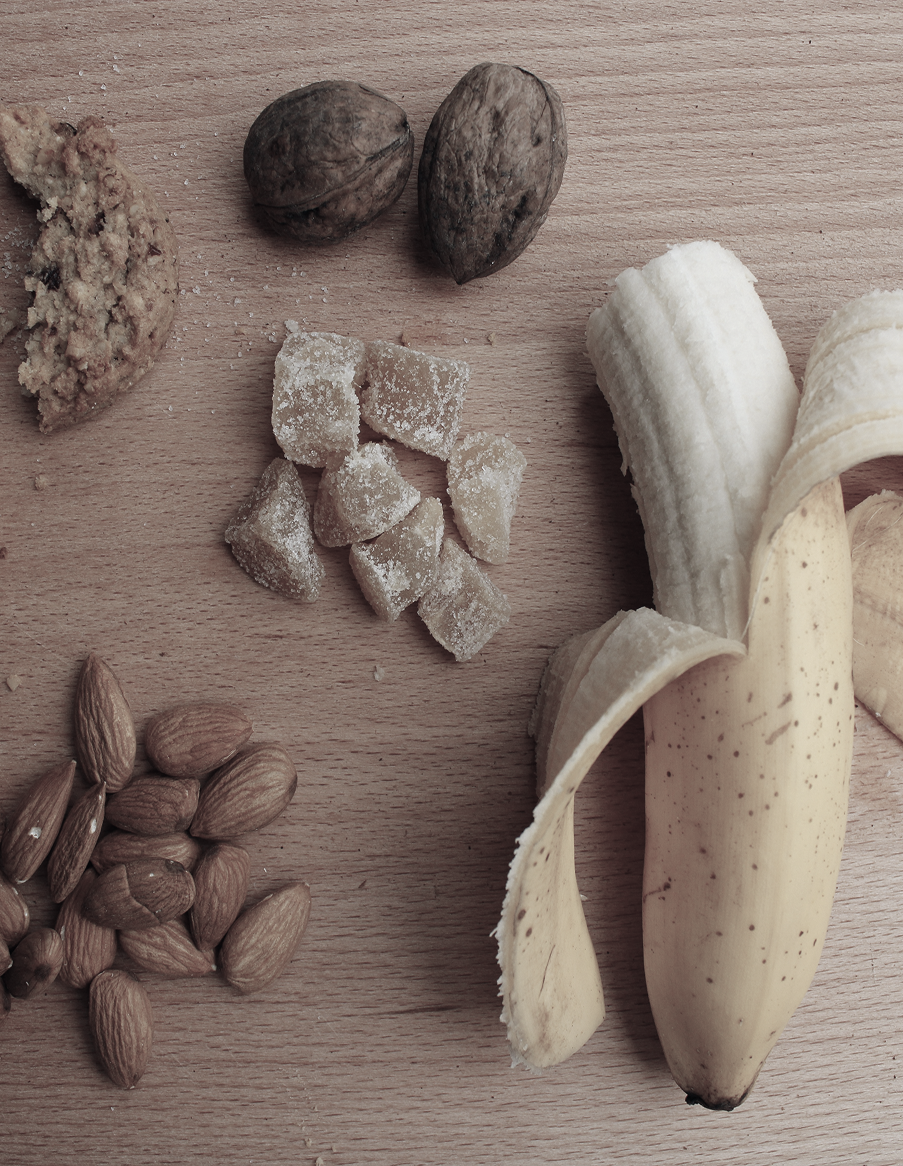
Carbs don't just give you energy — they are your engine's primary fuel. Here's the fascinating science of how they power every step of your run.

Caffeine doesn't give you energy like food does. It changes how your brain perceives effort — and that changes everything on race day.

Think of electrolytes, ORS and sports drinks like tools in a toolbox — a screwdriver, a wrench and a hammer. All useful, but for very different jobs. Here's how to choose the right one.