
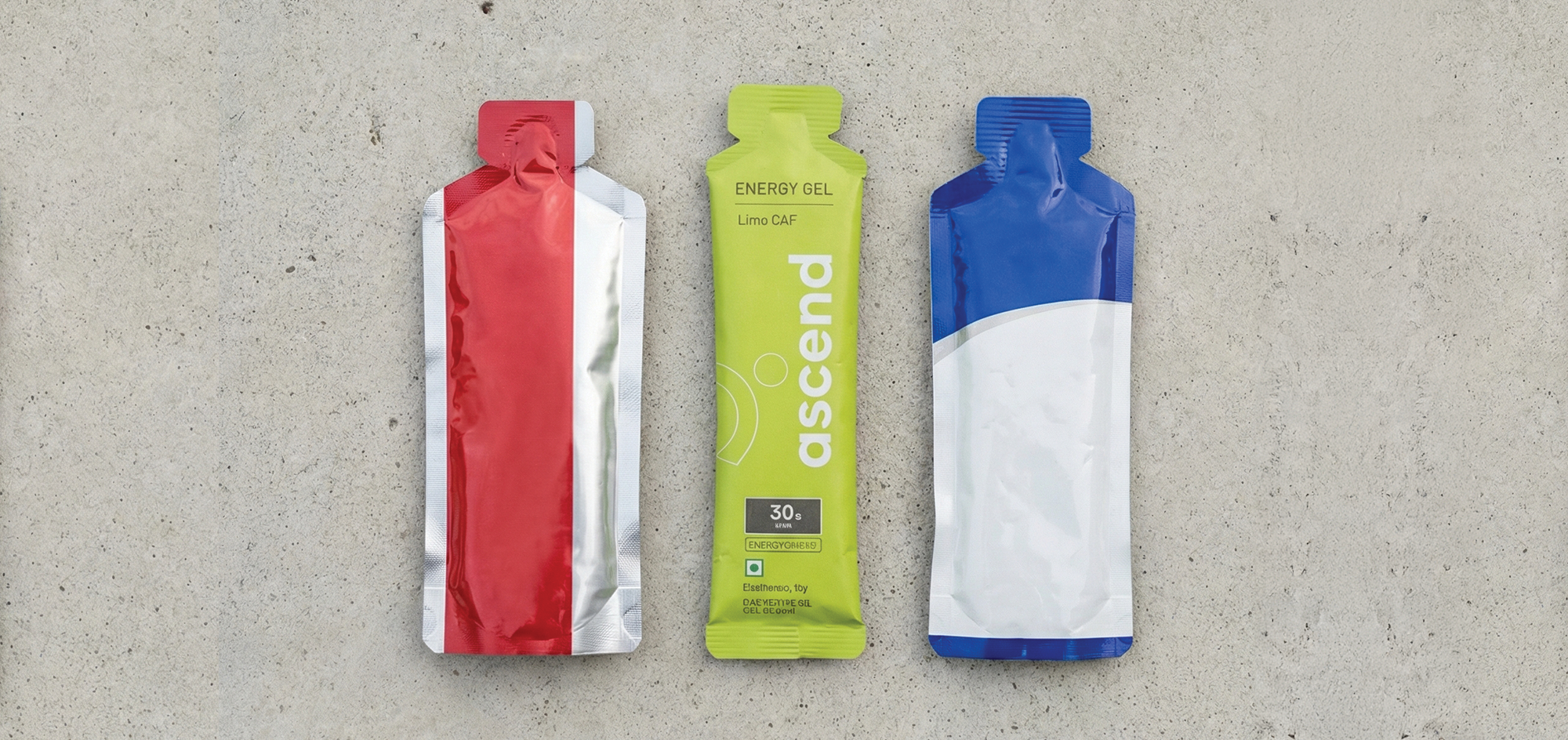
Endurance races are demanding events that push you to the limits. The energy required to complete such races is way beyond what your body can store in itself and this means you need to rely on external sources during your race to replenish your energy.
One tried and tested method to replenish your energy on-the-go are energy gels. Grab one, rip off the seal and consume to surge up your energy stores. But even when it comes to gels,there are different types of them. You’ve got hypotonic, hypertonic and isotonic gels.
Let’s begin with Hypotonic Gels.
Simply put, these gels are diluted in nature. The concentration of these gels is lower than that of your body fluids, making it very easy to absorb and less stressful on your gut. This also means that the carbohydrate content in these gels is not that high in order to maintain it’s easy to absorb nature.
These gels can be especially best suited for short durations. Think of a training session under 60 minutes where your primary need is rapid fluid and electrolyte replenishment rather than a large hit of carbohydrate energy. They are also useful for endurance athletes with very sensitive stomachs and struggle with concentrated formulae. It can also be utilised as a supplementary option alongside solid food during ultra-long events where variety of nutrition intake matters.

Moving on to Isotonic Gels.
Isotonic gels, by contrast, are formulated to match the concentration of fluid already in your body, which means the stomach can absorb them quickly without needing to draw in extra water to dilute them first. Less waiting in the gut means less bloating, less cramping and faster energy delivery.
Lastly, Hypertonic Gels.
These gels are the opposite of hypotonic gels when it comes to concentration. These gels pack high amounts of carbohydrates but have a higher concentration level as well when compared to the concentration of your blood and bodily fluids. This means they take time to be digested and absorbed by the body and will also need to be consumed with water or other fluids to speed up digestion.
Since these gels have a high concentration of carbs, you will feel an initial boost of energy. However, you will also feel a quick drop in energy levels later in the race as well, pushing you to consume another gel.
So how do you identify if your gel is hypertonic?
One way is to check the packaging or do a bit of research online. If you still cannot find this information, you can directly contact the company manufacturing the gels and clear your query. However, if you do not wish to go through this, look out for these markers which probably will help you decide for yourself:
-
Your gel has an extremely thick consistency
-
Your gel is difficult to gulp down
-
Your gel sticks to the roof of your mouth
-
Your gel packaging advises you to pair the gel with water or electrolyte fluids
So which gel should you opt for?
Our suggestion would be to head for isotonic gels. They are easy on your gut, deliver energy almost instantly and keep you away from energy crashes later in the race. Isotonic gels are easily absorbed even in the absence of water or fluids. This means that these gels can be consumed whenever you feel like having one rather than having to wait for a hydration station.
However, as good as isotonic gels are, we would still leave you with one piece of advice:
Never try anything new on race day. It is always better to try out your gels during your long training runs. This helps your body get accustomed to consuming and digesting gels while running or performing any endurance activities. This will ensure a smooth race day experience for your gut and consequently for you.
Read more

Your brain connects electrolytes to sport. But your body loses them anytime it sweats — and that happens more often than you think.

Your legs are trained. Your mind is ready. But is your gut? Here's why neglecting gut training is one of the most common — and costly — mistakes endurance runners make.