
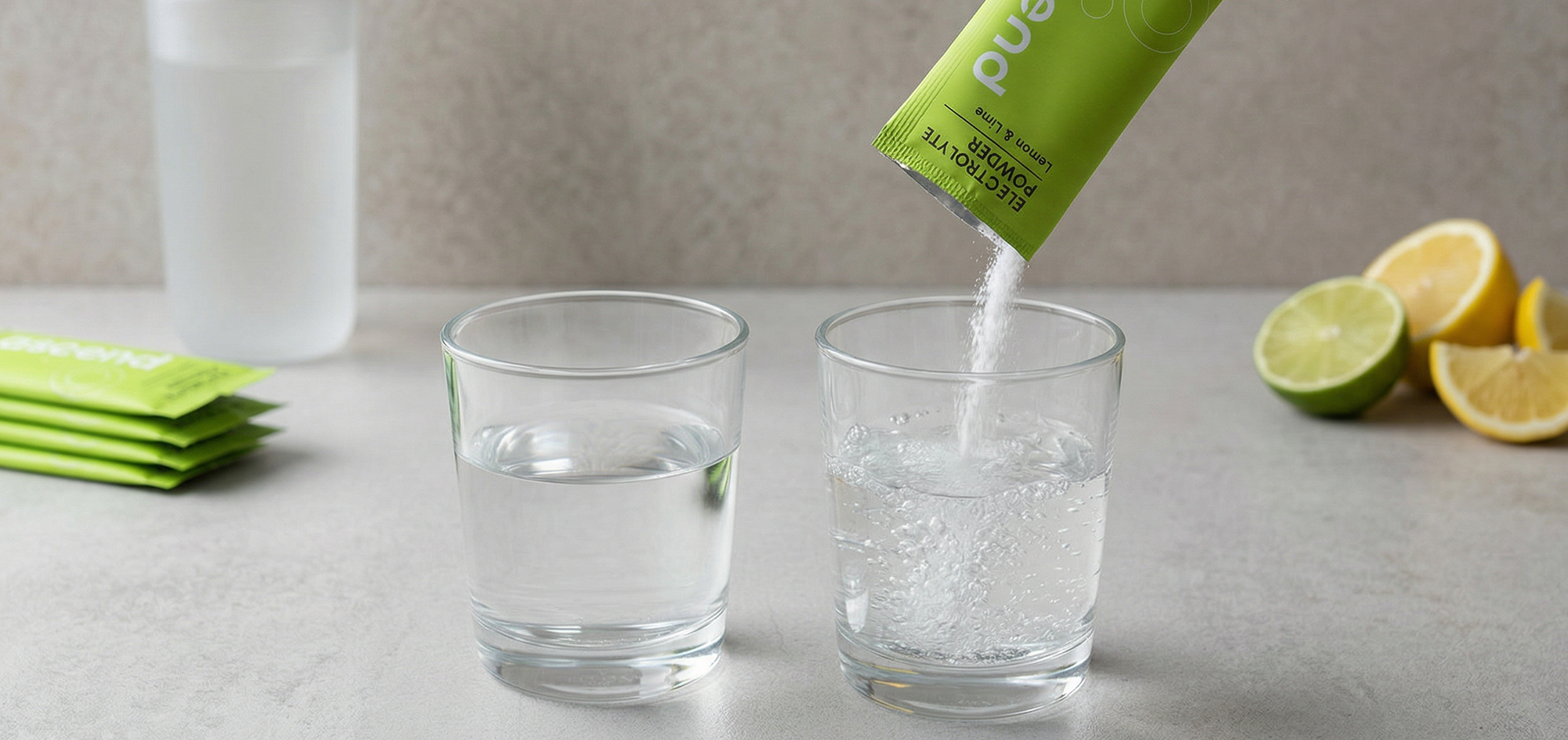
Why Water Alone Is Not Always Enough
We all know that a car or a bike runs on fuel, that is petrol or diesel. This is the essential fluid that powers the engine and moves the bike from point to point. But fuel, although crucial, cannot do it all alone; it needs other elements to keep the machine functioning safely.
The same thing applies to the human body. The human body needs water to keep functioning on a regular basis but along with water, electrolytes are necessary too.
Whenever we feel thirsty, we simply have a sip of water and go on about our day. But plain water might not always be enough to hydrate efficiently.
When you sweat, especially during working out and racing, your body loses more than just fluids. Electrolyte loss happens as well.
If you're unfamiliar with the importance of electrolytes, check out our guide on what electrolytes are and why they matter for performance.
Electrolytes play an important role in how the body absorbs and retains fluids. Sodium, in particular, helps the body hold on to the water you drink. Without enough electrolytes, some of the water consumed may simply pass through the body without effectively restoring hydration.

What Happens When You Hydrate With Water Alone?
During prolonged endurance activities, you tend to lose a large amount of fluids through sweat. These fluids need to be replaced to continue performing.
But if you replace fluids lost through sweat with large amounts of plain water, it could disturb the electrolyte balance of the body.
Drinking large amounts of water without replacing electrolytes can dilute sodium levels in the blood. This condition, known as hyponatremia, may lead to symptoms such as nausea, headaches, muscle cramps, fatigue, and reduced performance.
So should you always pair water with electrolytes?
When Is Plain Water Sufficient?
-
lasts less than 60 minutes,
-
is performed at low to moderate intensity, and
-
takes place in cool conditions.
In these situations, the body typically does not lose enough electrolytes to require special replenishment. The small amounts lost through sweat can usually be replaced through regular meals and daily fluid intake.
When Do Electrolytes Become Essential?
Electrolytes become more important when sweat loss increases. This often happens during:
-
Physical activity lasting more than 90 minutes
-
Continuous endurance exercise such as running, cycling, or long matches/ games.
-
Training or competing in hot and/or humid conditions.
-
Your attire is left with a white, patchy layer after you're done with your workout.

One of the best ways is to calculate your sweat rate and refuel accordingly.
Understanding your sweat rate and electrolyte losses can help you develop a hydration strategy that supports both performance and recovery.
Read more

Your body can only store enough carbs for 2–3 hours of running. The marathon takes longer than that. Here's why energy gels aren't optional — and how many you actually need.

Gels or drink mixes — which one wins? Neither. They do completely different jobs. Here's how to use both to build a fuelling plan that actually holds up across 42 kilometres.